
Introduction
When searching for CelluCare reviews, you’re likely looking for honest answers about whether this blood sugar support supplement delivers on its promises—and whether it’s worth your investment. As an adult in your 30s to 60s, managing blood sugar levels may feel increasingly urgent, especially if you’re concerned about energy crashes, weight management, or long-term metabolic health. CelluCare has gained attention in the supplement space as a natural formulation targeting these exact concerns, but the marketing claims deserve careful scrutiny against what the actual science shows.
This review separates what the manufacturer claims from what independent clinical research demonstrates. It’s important to set realistic expectations from the start: dietary supplements are not substitutes for medical treatment, prescribed medications, or proven lifestyle interventions like diet and exercise. Results vary significantly between individuals based on baseline health status, genetics, existing conditions, and overall lifestyle. While some ingredients in CelluCare have shown promise in peer-reviewed studies, the complete formulation itself has not undergone independent clinical trials. This doesn’t automatically disqualify the product—many legitimate supplements rely on established research for individual components—but it does mean expectations should be calibrated carefully.
This review examines CelluCare’s ingredients, safety profile, potential benefits, and limitations based on publicly available information and manufacturer disclosures.
Quick Verdict (For Busy Readers)
CelluCare may help adults with early blood sugar imbalance who are willing to commit to lifestyle changes. It is not a replacement for medication and results are gradual. Best suited for cautious buyers who value ingredient transparency over hype.
What Is CelluCare?
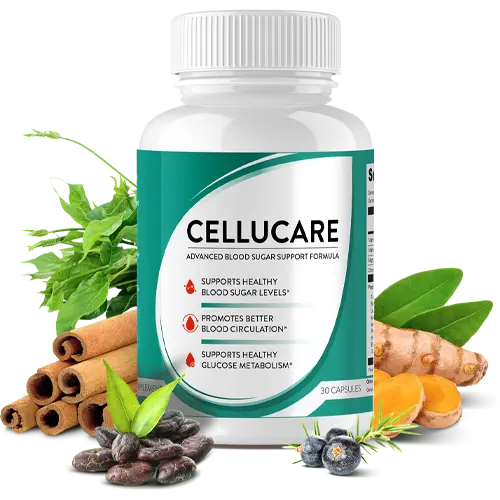
According to the manufacturer, CelluCare is a natural dietary supplement formulated to support healthy blood glucose levels, boost energy, and assist with weight management. The product is marketed primarily to adults struggling with blood sugar fluctuations, insulin resistance, and the fatigue that often accompanies metabolic imbalance.
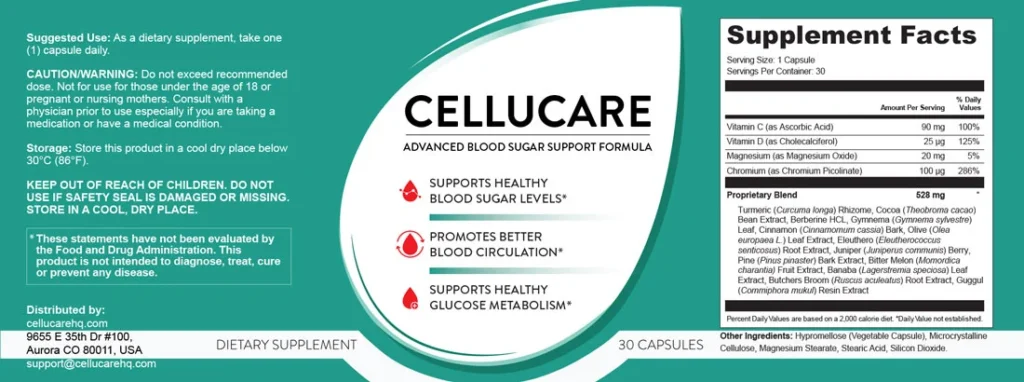
The supplement is reportedly manufactured in FDA-approved, GMP-certified facilities in the United States—a claim that addresses quality control but does not mean the product itself is FDA-approved or regulated as a drug. The distinction matters: GMP certification indicates the facility follows good manufacturing practices, but dietary supplements operate under different regulatory frameworks than pharmaceutical treatments. The manufacturer positions CelluCare as containing “12 carefully chosen natural compounds” designed to work synergistically, though specific formulation details and exact dosages can vary depending on the source.
The product is typically available as capsules delivered through the official website and comes with a 60-day money-back guarantee, a practice common in the supplement industry that provides some consumer protection but does not constitute clinical validation.
How Does CelluCare Claim to Work?
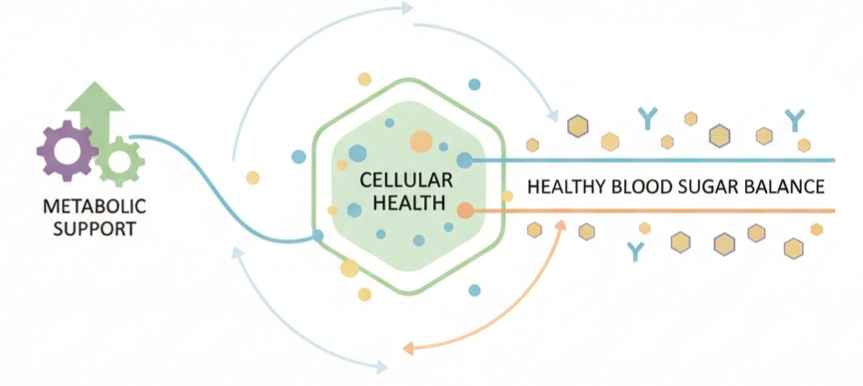
The mechanism narrative used by CelluCare centers on three primary pathways: enhancing insulin sensitivity, reducing inflammation and oxidative stress, and supporting natural energy metabolism. According to manufacturer materials, the formula targets what they describe as the root causes of blood sugar imbalance—insulin resistance, metabolic inflammation, and sluggish glucose utilization at the cellular level.
The theoretical foundation here is sound: insulin resistance is well-established as a key driver of type 2 diabetes and prediabetes, and many of CelluCare’s ingredients do target insulin signaling pathways in laboratory and animal studies. However, it’s crucial to distinguish between what happens in test tubes and animal models versus what actually translates to human health outcomes with the specific doses and combinations used in finished supplements.
The manufacturer suggests results typically appear within 1-2 weeks, though this timeline is optimistic based on available clinical evidence. Most peer-reviewed studies on individual ingredients show measurable changes occurring over 4-12 weeks of consistent use. This discrepancy between manufacturer expectations and research timelines is common in the supplement industry and often reflects a gap between best-case scenarios and average user experience.
CelluCare Ingredients Breakdown
| Ingredient | Claimed Purpose | Evidence Strength | Notes |
|---|---|---|---|
| Turmeric Rhizome (Curcumin) | Reduce inflammation, support blood glucose regulation | Moderate-Strong | Meta-analysis of 28 RCTs (n=2,297) shows fasting glucose reduction of ~8 mg/dL and HbA1C reduction of ~0.13%. Effects require 4-12 weeks of consistent use. |
| Gymnema Sylvestre | Enhance insulin sensitivity, reduce sugar cravings | Moderate | RCT (n=30) showed significant reduction in 2-hour glucose tolerance and improved insulin sensitivity. 46.7% of prediabetic subjects achieved normal A1C. Well-tolerated. |
| Banaba Leaf (Corosolic Acid) | Lower blood glucose, improve glucose uptake | Limited-Moderate | Small human trials show ~10% reduction in fasting and postprandial glucose. Mechanism involves enhanced cellular glucose uptake. Limited long-term human data. |
| Juniper Berry | Support blood glucose regulation | Limited-Moderate | Animal studies show 39% glucose reduction; some human studies suggest activation of PPAR receptors. Safety concern: contraindicated in kidney disease; not recommended for more than 6 weeks of continuous use; use caution in pregnancy. |
| Cinnamon Bark | Modulate glucose metabolism | Moderate | Meta-analysis (10 RCTs, n=543) shows fasting glucose reduction of ~24.6 mg/dL and improved lipid profile. Less clear effect on HbA1C. High heterogeneity limits predictability. |
| Eleuthero (Siberian Ginseng) | Enhance glucose utilization, improve insulin signaling | Moderate | Small RCT showed fasting glucose reduction from 166 to 130 mg/dL and HbA1C improvements over 3 months. Contains eleutherosides, distinct from Panax ginseng. Some reports of hypoglycemia risk when combined with diabetes medications. |
| Chromium Picolinate | Enhance insulin sensitivity, glucose metabolism | Insufficient | Mixed evidence. Older studies showed modest benefits; recent large RCT (n=40) showed NO significant effects on glucose metabolism or insulin action. Safety concern: theoretical DNA damage at high doses; may interact with diabetes medications; case reports of hypoglycemia. |
| Cocoa Bean Extract | Antioxidant support, cardiovascular function | Limited | Rich in polyphenols and antioxidants. Limited direct evidence for blood glucose control. Generally safe. |
| Pine Bark Extract (Proanthocyanidins) | Antioxidant, anti-inflammatory support | Limited | Well-tolerated in long-term use (18 months observed). Primarily cardiovascular benefits. Limited specific evidence for glucose regulation. |
| Butcher’s Broom | Support circulation, reduce inflammation | Limited-Insufficient | One small study showed HbA1C reduction of 15.6% and glucose reduction of 10.6%, but sample size was very small; human evidence is limited. Safety concern: rare case of diabetic ketoacidosis reported; use caution with blood pressure medications. |
Key Takeaway: The individual ingredients have varying levels of clinical support, ranging from moderate (turmeric, gymnema, cinnamon) to insufficient (chromium, butcher’s broom). No independent clinical trials have evaluated the CelluCare formulation as a complete product. The synergistic effects claimed by the manufacturer are theoretically plausible but not empirically proven.
Potential Benefits (Based on Ingredient Research)
Based on available clinical evidence for individual components, users who take CelluCare consistently might potentially experience:
- More stable blood glucose levels through improved insulin sensitivity and reduced glucose absorption variability
- Reduced energy crashes and fatigue by supporting more consistent glucose availability to cells
- Improved lipid profile (cholesterol and triglycerides), based on research for turmeric and cinnamon components
- Decreased sugar cravings, potentially through gymnema’s effects on taste perception and appetite signaling
- Reduced inflammation markers, based on antioxidant and anti-inflammatory ingredients
- Better overall energy and mental clarity if blood sugar stability improves
However, these are potential benefits observed with individual ingredients in controlled studies—not guaranteed outcomes from the complete CelluCare formula. Individual results vary widely depending on baseline metabolic health, existing medications, diet quality, exercise habits, sleep, and stress levels. Some users report noticeable improvements within 2-4 weeks; others may see changes over 8-12 weeks; some may notice minimal difference. The supplement works best as part of a comprehensive lifestyle approach that includes balanced nutrition, physical activity, and stress management.
CelluCare Side Effects & Safety Considerations
Currently, there is limited independent clinical evidence about the side effect profile of CelluCare specifically, since the product itself has not undergone formal safety trials. However, based on known safety profiles of individual ingredients, potential considerations include:
Commonly Reported Tolerability Issues:
- Mild gastrointestinal discomfort (nausea, stomach upset, constipation, or diarrhea), particularly during the first few days
- Headaches
- Dizziness or lightheadedness
- Sleep disruption in sensitive individuals
Who Should Be Cautious:
- Individuals taking diabetes medications (metformin, sulfonylureas, insulin, GLP-1 agonists): Several ingredients, including juniper berry, eleuthero, and chromium, may enhance blood glucose-lowering effects, creating a theoretical risk of hypoglycemia (dangerously low blood sugar). Medical supervision is essential.
- People with kidney disease or nephritis: Juniper berry specifically is contraindicated; avoid this supplement entirely without physician approval.
- Those with uncontrolled high blood pressure: Butcher’s broom has vasoconstrictive properties and may interact with blood pressure medications.
- Pregnant or breastfeeding women: Limited safety data; not recommended without medical guidance.
- Individuals taking blood thinners: Limited interaction data; consult healthcare provider.
- Those with a history of diabetic ketoacidosis: One case report links butcher’s broom to this serious complication; medical clearance needed.
Important Disclaimer: Supplements can interact with medications in ways that aren’t always predictable. If you’re managing any diagnosed condition or taking prescription medications, medical consultation before starting CelluCare is not optional—it’s essential. Do not discontinue or reduce prescribed diabetes medications based on supplement use without explicit guidance from your prescribing physician.
Who May Consider CelluCare (And Who Should Not)
✅ May Consider CelluCare:
- Adults with prediabetes or borderline elevated fasting glucose who want to explore natural support alongside lifestyle changes
- Those seeking to complement (not replace) existing diabetes management strategies
- Individuals without serious kidney disease, uncontrolled hypertension, or contraindicated medications
- People willing to commit to consistent use for at least 8-12 weeks to fairly evaluate effectiveness
- Adults interested in general metabolic support and antioxidant supplementation
⚠️ Should Avoid or Consult Doctor:
- Anyone diagnosed with type 1 or type 2 diabetes (risk of dangerous blood sugar drops when combined with medications)
- Individuals with kidney disease, kidney inflammation (nephritis), or compromised kidney function
- Those taking blood sugar-lowering medications without physician supervision of the supplement
- People with poorly controlled high blood pressure
- Pregnant women or those breastfeeding
- Individuals with a history of diabetic complications, especially ketoacidosis
- Those allergic to any component ingredient
- Anyone taking medications that could interact with blood sugar regulators or circulatory agents
The Bottom Line: If you have any diagnosed metabolic condition or take any medications, this is not a “try it and see” product. Medical clearance is necessary.
Those interested in understanding pricing, guarantees, and availability can check the official CelluCare page below.
Realistic Expectations
This section deserves emphasis because unrealistic expectations are a primary driver of supplement disappointment and waste.
Timeline Expectations: The manufacturer suggests results within 1-2 weeks. Clinical evidence suggests a more realistic timeline is 4-8 weeks for initial changes, with more substantial improvements over 12 weeks. Some individuals notice nothing after 8 weeks; others report differences within 3-4 weeks. There is genuine individual variation here, not deception—but it means the “guaranteed fast results” narrative should be discounted significantly.
Lifestyle Dependency: No supplement works in isolation. If your diet consists primarily of refined carbohydrates, sugary drinks, and processed foods, CelluCare will have limited impact. The same applies if you’re sedentary, chronically stressed, or sleep-deprived. Supplements work best when combined with meaningful lifestyle changes. Studies showing impressive results for ingredients like cinnamon, turmeric, and gymnema typically involved participants who were also making dietary modifications and maintaining consistent routines. Marketing materials often don’t emphasize this dependency.
Why Supplements Vary in Effectiveness: Several factors explain why two people taking identical supplements see different results:
- Baseline metabolic health: Someone with early-stage insulin resistance may see changes more readily than someone with established type 2 diabetes
- Medication interactions: Existing medications affect how supplement ingredients work
- Genetic factors: Individual variations in how we metabolize and respond to herbal compounds
- Gut microbiome composition: Affects absorption and bioavailability
- Diet quality: Good nutrition amplifies supplement effects; poor diet overwhelms them
- Sleep, stress, and exercise: These variables influence blood sugar regulation more than any supplement does
No Guaranteed Results: Dietary supplements don’t work like medications with dose-response relationships. The FDA explicitly states that dietary supplements cannot claim to treat, cure, or prevent disease. If CelluCare claims to “cure diabetes” or “guarantee normal blood sugar,” that’s a red flag indicating deceptive marketing. Legitimate supplements support healthy function; they don’t replace medical treatment.
CelluCare Pros and Cons
| Pros | Cons |
|---|---|
| Well-tolerated by most users. No severe side effects reported in available testimonials. Generally gentle formula without stimulants. | No independent clinical trials on complete formulation. Only individual ingredients have been studied; the synergistic effects of the specific combination are unproven. |
| Ingredient transparency. CelluCare publicly lists all components, allowing informed evaluation. Full ingredient disclosure builds trust. | Mixed evidence on key ingredients. Chromium picolinate shows insufficient evidence; juniper berry has safety concerns for long-term use; butcher’s broom evidence is very limited. |
| Natural, non-GMO formula. Sourced from botanical extracts without synthetic additives (according to manufacturer). Appeals to consumers preferring natural approaches. | Optimistic timeline claims. Manufacturer suggests 1-2 weeks; evidence suggests 4-12 weeks. Sets unrealistic expectations. |
| GMP-certified manufacturing. Produced in FDA-approved facilities following good manufacturing practices, indicating quality control. | Individual results highly variable. Effectiveness depends heavily on baseline health, lifestyle, medications, and genetics. No way to predict personal outcomes. |
| 60-day money-back guarantee. Provides consumer protection and demonstrates confidence in the product. Low-risk trial period. | Potential medication interactions. Risk of hypoglycemia when combined with diabetes drugs. Requires medical supervision for many users. |
| Addresses multiple pathways. Formula targets insulin sensitivity, inflammation, and glucose metabolism simultaneously, not just one mechanism. | Limited long-term safety data. No studies on CelluCare used consistently for years. Long-term safety profile unclear. |
| Affordable compared to prescription options. Positioned at an accessible price point for ongoing supplementation. | Cost over time. Monthly supply cost adds up; less expensive than prescription alternatives but meaningful for budget-conscious consumers. |
| Requires 8-12 week commitment. Need to use consistently for an extended period to fairly evaluate effectiveness; not a quick fix. |
How CelluCare Compares to Other Blood Sugar Supplements
The blood sugar supplement market includes several competing products with similar ingredient profiles. A brief comparison:
Sugar Defender features 24 ingredients in liquid format, including many of the same components (gymnema, chromium, cinnamon, ginseng). Sugar Defender emphasizes rapid absorption through its liquid delivery and includes additional ingredients like alpha-lipoic acid. It positions itself as more comprehensive, but that doesn’t necessarily mean more effective—more ingredients don’t guarantee better results. Like CelluCare, Sugar Defender lacks independent clinical trials on its complete formulation.
Gluco6 takes a more focused approach, emphasizing GLUT-4 glucose transporter activation with fewer ingredients. It claims a progressive results timeline and targets a more specific mechanism (glucose transport into cells). The narrower ingredient list means clearer dose information for key components but also provides fewer supporting compounds. Again, clinical evidence is limited to individual ingredients, not the complete formula.
Glucotonic represents another variation with similar botanical ingredients but different positioning. All three products share core components (turmeric, gymnema, cinnamon, chromium) but differ in ratios, additional ingredients, and marketing narratives.
The honest assessment: These products are largely interchangeable in terms of ingredient quality and evidence base. Your choice between them should depend on delivery format preference (capsule vs. liquid), specific tolerability concerns, price, and company transparency rather than dramatically different efficacy claims. No compelling clinical evidence shows one is meaningfully superior to the others. When shopping for a supplement, it is wise to compare the cost per serving and the reputation of the manufacturer. We encourage readers to explore our Best Blood Sugar Supplements pillar page to see how various formulas stack up against each other in terms of value and ingredient profiles.
Pricing, Availability & Refund Policy
CelluCare is available through the official website. The manufacturer does not typically sell through major retail chains like Amazon or Walmart, which may reduce counterfeit risk but limits purchasing convenience.
According to manufacturer information, typical pricing for CelluCare involves bundle options, with single-bottle supplies generally in the $40-$60 range per month, depending on promotions and package selection. Bulk purchase bundles (3-6 month supplies) often offer per-bottle discounts. Exact pricing fluctuates, so checking the official website provides current rates.
The refund policy, according to manufacturer claims, is a 60-day money-back guarantee. This means consumers can request a refund within 60 days of purchase if unsatisfied. The specifics of how returns are processed (shipping costs, restocking fees, etc.) should be confirmed directly with the company before purchase. Money-back guarantees are valuable consumer protections but require following specific return procedures; they’re not automatic refunds.
The supplement is not covered by health insurance, as it’s classified as a dietary supplement, not a medical treatment.
Is CelluCare Legit or a Scam?
This requires careful framing. CelluCare is not listed on the FDA’s health fraud product database, and no warning letters specific to CelluCare appear in FDA records (as of January 2026). This is a positive indicator—many supplement companies making false disease claims have faced FDA or FTC action. The absence of such action doesn’t constitute proof of efficacy, but it does suggest the company isn’t making overtly illegal claims.
Transparency Factors Supporting Legitimacy:
- Full ingredient list publicly available
- Claimed GMP certification from FDA-approved facilities
- 60-day money-back guarantee
- Official website without misleading URLs or obvious scam indicators
- Consistent messaging across materials
Red Flags to Watch For (Generally, Not Necessarily CelluCare-Specific):
- Claims that the product treats, cures, or prevents disease (illegal for supplements)
- Testimonials that sound scripted or unrealistic (“lost 50 lbs in 30 days”)
- Pressure to buy immediately with artificial scarcity claims
- Prices vastly different between sources (often indicates counterfeit products)
- Unavailable company contact information or customer service
- Claims of FDA approval for a dietary supplement (FDA doesn’t approve supplements)
CelluCare avoids most of these red flags, which suggests legitimacy. However, legitimacy and effectiveness are different questions. A company can be honest about what’s in the bottle while still having overstated claims about what the bottle does. The individual ingredients are real and studied; the complete formulation’s effectiveness is simply unproven rather than proven false.
Skepticism Is Appropriate: The supplement industry has genuine problems with overstated claims, fake testimonials, and minimal oversight. Approaching any supplement—CelluCare included—with healthy skepticism is wise. That skepticism should be directed toward claims (Do they match the evidence?) rather than accusations (Is this definitely a scam?). Based on available information, CelluCare appears to be a legitimately manufactured product with real ingredients and reasonable positioning, but one whose effectiveness claims outpace available clinical evidence.
Frequently Asked Questions
CelluCare is a dietary supplement and is not intended to diagnose, treat, cure, or prevent any disease. Individuals with medical conditions or those taking medication should consult a healthcare professional before use.
Q: Does CelluCare really work?
A: Individual ingredients have varying levels of clinical support—turmeric, gymnema, and cinnamon show moderate evidence for glucose support; chromium shows weak evidence. The complete CelluCare formulation has not been clinically tested. “Works” depends on what you expect. If you expect stable blood glucose and reduced energy crashes, some users report these changes after consistent use; others notice minimal difference. It works better as part of comprehensive lifestyle changes (diet, exercise, sleep) than as a standalone intervention.
Q: How long before I see results?
A: The manufacturer suggests 1-2 weeks; clinical evidence suggests 4-8 weeks for initial changes, with more substantial improvements over 12 weeks. Some users report nothing after 8 weeks; individual variation is high. Realistic approach: commit to 12 weeks of consistent use before deciding if it’s working for you.
Q: Is CelluCare FDA approved?
A: No. CelluCare is a dietary supplement, not an FDA-approved drug. The FDA does not approve dietary supplements for efficacy before marketing. The claim that it’s manufactured in “FDA-approved facilities” refers to GMP certification (facility standards), not product approval. If a supplement claims FDA approval, that’s a major red flag.
FDA information on dietary supplements
Q: Can CelluCare replace my diabetes medication?
A: Absolutely not. CelluCare is a dietary supplement, not a medical treatment. Stopping or reducing diabetes medications without physician approval could lead to dangerously high blood sugar, ketoacidosis, and serious complications. If you want to discuss whether medication adjustments might eventually be appropriate, that conversation happens with your doctor—never based on supplement use alone.
Q: Is CelluCare safe for long-term use?
A: Individual ingredients have varying safety profiles. Most components are well-tolerated in short-term use (weeks to months). Juniper berry is specifically not recommended for continuous use beyond 6 weeks. Long-term safety data (years of consistent use) is limited because formal safety studies on CelluCare itself haven’t been conducted. If you plan to use this supplement long-term, periodic check-ins with a healthcare provider are prudent.
Q: Does CelluCare cause side effects?
A: Most users tolerate it well. Commonly reported minor issues include mild digestive discomfort, headaches, or sleep changes, typically in the first few days. More serious concerns apply if you’re taking diabetes medications (risk of blood sugar dropping too low) or have kidney disease (juniper berry is contraindicated). The risk profile varies significantly based on your personal health status.
Final Verdict
CelluCare represents a professionally formulated dietary supplement with ingredients that have genuine—though varying—clinical support. It’s not a scam product making illegal disease claims, nor is it a miracle solution that will dramatically normalize blood glucose without lifestyle changes. The honest truth sits in the middle: a legitimately manufactured supplement with real ingredients that may offer modest support for metabolic health when combined with consistent lifestyle practices.
The supplement is worth considering if:
- You have prediabetes or borderline elevated blood glucose and want natural support
- You’re committed to meaningful dietary and lifestyle changes alongside supplementation
- You have no kidney disease, diabetes medication complications, or contraindicated medical conditions
- You can realistically commit to 8-12 weeks of consistent use to fairly evaluate results
- You understand results will likely be modest and individual—not transformative
Skip it if:
- You have diagnosed type 1 or type 2 diabetes managed with medication (interaction risk is real)
- You have kidney disease or related complications
- You’re looking for a quick fix without lifestyle changes
- You can’t afford the ongoing cost
- You have unresolved medication interactions with your healthcare provider
Those interested can learn more from the official CelluCare website to evaluate current pricing, read customer testimonials, and review the 60-day guarantee terms.